
What Type of Kitchen Sink Material Is Best?
Discover top kitchen sink materials—from copper farmhouse sink to single bowl stainless steel kitchen sink—and learn why stainless steel is the best fit for most homes.
4/17/2025

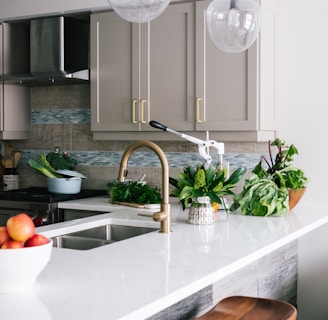
Choosing the right sink material can feel like a big decision - after all, it's one of the busiest places in the kitchen. From warm, lustrous farmhouse copper sinks to sleek and shiny single bowl stainless steel kitchen sinks, each option has its own unique look and feel. The good news? Almost every material has its merits. That said, stainless steel tends to be a jack of all trades and works perfectly in most homes. Let's explore the popular choices to help you find the perfect match.
Stainless Steel
Why it’s great: Stainless steel sinks are light on the wallet, easy to clean, and won’t chip or crack if you drop a heavy pot. Available in different thicknesses (gauges), you can choose a heavier gauge for extra sturdiness or a thinner one for a friendlier price.
Style notes: With its classic silvery finish, stainless steel fits modern, farmhouse, or minimalist kitchens alike. A single bowl stainless steel kitchen sink is perfect if you need room for oversized pans or daily multitasking.
Care tips: A gentle rinse and a soft cloth are all it takes. For a little extra sparkle, rub with a baking‑soda paste once in a while. Noise from dishes clanking is real, but many models come with sound‑dampening pads under the bowl to keep things quieter.
Copper
Why it’s great: A copper farmhouse sink feels like art in your kitchen. Its warm tones and natural patina won’t just catch the eye—they also naturally resist germs, making copper a surprisingly hygienic choice.
Style notes: Copper ranges from bright rose‑gold to aged green, depending on how it’s treated. It’s a statement piece, ideal if you love a vintage or country‑cottage look.
Care tips: Copper needs a little love: avoid harsh scrubbing or acidic cleaners, and wipe it dry after each use to keep water marks away. Over time, those gentle scuffs and patina changes become part of the charm.
Fireclay
Why it’s great: Made by firing clay at super‑high temps, fireclay sinks can take on heavy pots, hot pans, and everyday knocks. Their smooth, glazed surface resists stains and holds up to years of hard work.
Style notes: Most often in crisp white or muted cream, fireclay has that timeless apron‑front (“farmhouse”) appeal. It’s a natural fit if you love classic, country‑style kitchens.
Care tips: Cleaning is as easy as soap and water—just don’t drop cast‑iron skillets into it! Because fireclay is heavy, make sure your cabinet base is sturdy enough before you install one.
Granite Composite
Why it’s great: Granite composite blends real stone dust with resin, creating a hard surface that resists scratches, heat, and stains. It’s tougher than acrylic and lighter than natural stone.
Style notes: These sinks come in deep blacks, greys, and earth tones with a matte finish that feels upscale. They work beautifully in contemporary kitchens or as a dramatic contrast on a white countertop.
Care tips: Wipe with a soft cloth and mild cleaner. Avoid abrasive powders—though it’s tough, the surface can dull over time if scrubbed too hard.
Enameled Cast Iron
Why it’s great: Cast iron coated in enamel brings old‑school glamour and serious durability. You can bang around pans all day and still keep that shiny finish.
Style notes: With glossy colors from pure white to bold blue, enameled cast iron is eye‑catching. It fits traditional kitchens perfectly and also works as a standout piece in modern spaces.
Care tips: It’s heavy—very heavy—so you’ll need strong cabinet support. Clean gently to avoid chipping the enamel, and dry right away to prevent discoloration.
Acrylic
Why it’s great: Acrylic sinks let you match any decor with bright whites, blacks, or even playful pastels. They’re lightweight, budget‑friendly, and feel warm to the touch.
Style notes: Because they’re made of molded plastic, acrylic sinks can be any shape you like. They suit casual, colorful kitchens and are often used as a secondary prep sink.
Care tips: Use non‑abrasive cleaners to avoid scratches. High temperatures (think boiling water) can damage the surface, so be mindful of that on busy cooking days.
So, Which One Is “Best”?
In fact, all of the above materials work best in the right kitchen environment. Copper farmhouse sinks are highly antimicrobial; refractory clay sinks have a timeless farmhouse look; granite composites feel like real stone to the touch; enameled cast iron exudes vintage luxury; and acrylic sinks offer a wide choice of colours at a low price. But for their overall value for money, stainless steel sinks are superior. This is especially true of spacious single-bowl stainless steel kitchen sinks - they can easily accommodate large cookware, are easy to clean on a daily basis, and complement any kitchen style.
If you want to know more, like which are the best kitchen sinks, just click on it.