
When Were Sinks Invented? A History of the Kitchen Sink Industry
This blog explains when sinks were invented and showcases iconic designs like the double bowl kitchen sink, one bowl kitchen sinks, small stainless steel sink, stainless steel country kitchen sink, and the undermount workstation sink. Enjoy a concise history that blends tradition with modern innovation, perfect for anyone passionate about great kitchen sinks.
3/18/2025
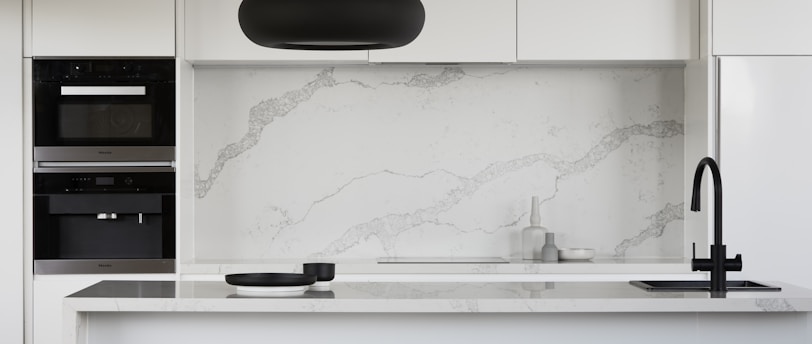
Since I started working in the kitchen sink industry, I’m always asked how the kitchen sink evolved, and the answers are as fascinating as Pandora’s box. If you’ve ever wondered “when were sinks invented”, as someone who has worked with great kitchen sinks and explored the advancement of sink design over the years – I’m here to answer you from the humble beginnings to today’s high-performance sinks like the undermount workstation sink and the double bowl kitchen sink.
Early Origins: From Basins to Functional Sinks
Long before the stainless steel country kitchen sinks and modern conveniences, early civilizations recognized the need for containers to hold water. In ancient Egypt, Mesopotamia, and the Indus Valley, large stone or ceramic basins were used not only for washing hands and food, but also for religious ceremonies and communal bathing. It can be said that these basins were the predecessors of today’s sinks. Carved from rock or shaped from clay, they served a dual purpose: hygienic and ritual, setting the stage for the evolution of water management in everyday life.
In many ancient cultures, water was considered sacred, and the act of washing was intertwined with spiritual purification. While these early basins were a far cry from the complex, one bowl kitchen sinks we install today, they set the stage for the concept of a dedicated space for cleansing and food preparation.
Medieval to Renaissance: Practical Innovations
Over time, sinks evolved from simple basins to more practical devices. In medieval Europe, water was still a precious resource in castles and monasteries. Wealthy homes began to incorporate washbasins into their designs, which were often simple, utilitarian structures made of wood or stone. During the Renaissance, washbasin design evolved further; craftsmen began to experiment with designing basins that were not only practical but also beautiful. However, even during this period, most kitchens did not have dedicated, integrated sinks like what we now consider standard sinks.
Industrial Revolution: The Birth of the Modern Sink
The turning point in sink design came during the Industrial Revolution. With the advent of new materials and manufacturing processes, metals became widely used, heralding the beginning of the modern sink era. Enameled cast iron sinks began to become popular in public institutions and private homes.
It was also during this time that the concept of the integrated kitchen sink took hold. Kitchen sink manufacturers began to realize the benefits of sinks that could be installed flush with the countertop - the forerunners of today's undermount workstation sink. The convenience and sanitation improvements that these integrated designs provided set the stage for a revolution in kitchen design. Homeowners now had access to what we consider great kitchen sinks, combining durability with a refined appearance.
Postwar Boom: The Rise of Stainless Steel
After World War II, home design and technology changed dramatically. Materials such as stainless steel, known for their resistance to corrosion and ease of maintenance, became the go-to choice for kitchen sinks. The advent of stainless steel changed industry. It was durable, easy to clean, and perfect for the fast-paced modern kitchen.
During this era, a variety of different configurations emerged. Single bowl kitchen sinks became popular for their simplicity and ease of use, especially in small homes and apartments. Meanwhile, double bowl kitchen sink offered versatility, allowing users to multitask - washing dishes in one bowl while soaking them in another. Likewise, small stainless steel sink had become a favorite for compact urban kitchens, providing the efficiency needed in limited space.
These innovations didn’t stop at functionality; design became just as important. The smooth, shiny surface of stainless steel gives it a modern aesthetic that complements any decor. For those who prefer a rustic feel, stainless steel country kitchen sink combines the benefits of modern materials with a design that evokes traditional farmhouse style, creating a fusion of old and new.
Modern Innovation: Made to Measure
Today, kitchen sinks are more than just a basin to hold water. They are a key design element of any cooking space. Advances in technology have allowed sinks to improve both performance and aesthetics. For example, the undermount workstation sink not only integrates beautifully with modern countertops, but also provides additional workspace, which is exactly what busy chefs and home cooks love.
In the modern kitchen, designers and homeowners have a plethora of options:
Double bowl kitchen sink: Perfect for multitasking, the sink allows you to handle a variety of kitchen tasks simultaneously.
Single bowl kitchen sink: Known for its spacious design, it is ideal for washing large dishes such as large pots.
Small stainless steel sink: Perfect for small apartments or city kitchens where space is limited.
Stainless steel country kitchen sink: This style combines durability with a rustic aesthetic, perfect for those who prefer a blend of modern technology and traditional design.
Each design caters to a different need, ensuring there is a solution for every kitchen, regardless of size or style.
The Heritage and Future of Sink Design
When pondering the question, “when were sinks invented?”, it’s clear that it’s been a long and transformative journey. From primitive stone basins to sophisticated, multi-functional sinks, the evolution of sinks reflects the progress of human civilization. What started as a simple need to hold water has evolved into an industry that continues to innovate to meet the demands of modern life.
In today’s market, the focus is not only on functionality, but also style and efficiency. Whether you’re looking for a stylish undermount workstation sink, a practical one bowl kitchen sink, or even one of the great kitchen sinks that has become a must-have for modern homes, the tradition of sink design is evident in every new innovation.
Conclusion
As someone immersed in the kitchen sink industry, I can say that the evolution of sinks is a testament to human ingenuity. Every new installation—whether it’s a double bowl kitchen sink or a small stainless steel sink—is a conversation with ancient history. The evolution from ancient sinks to today’s top designs is more than a testament to technological advancement; it’s also a validation of the importance of clean, efficient, and beautiful kitchen spaces in our daily lives.
For those interested in the origins and evolution of kitchen appliances, remember this: Every great kitchen sink on the market today is built on a legacy of development and a drive to continually improve our daily lives. The next time you shop for a sink, enjoy the blend of tradition and modernity and appreciate the rich history that flows behind each design.
For more practical home maintenance advice and creative kitchen solutions, keep checking our website Voriva.